
Massage Therapy in Brighton and Hove
Deep Tissue, Therapeutic & Relaxation Massage
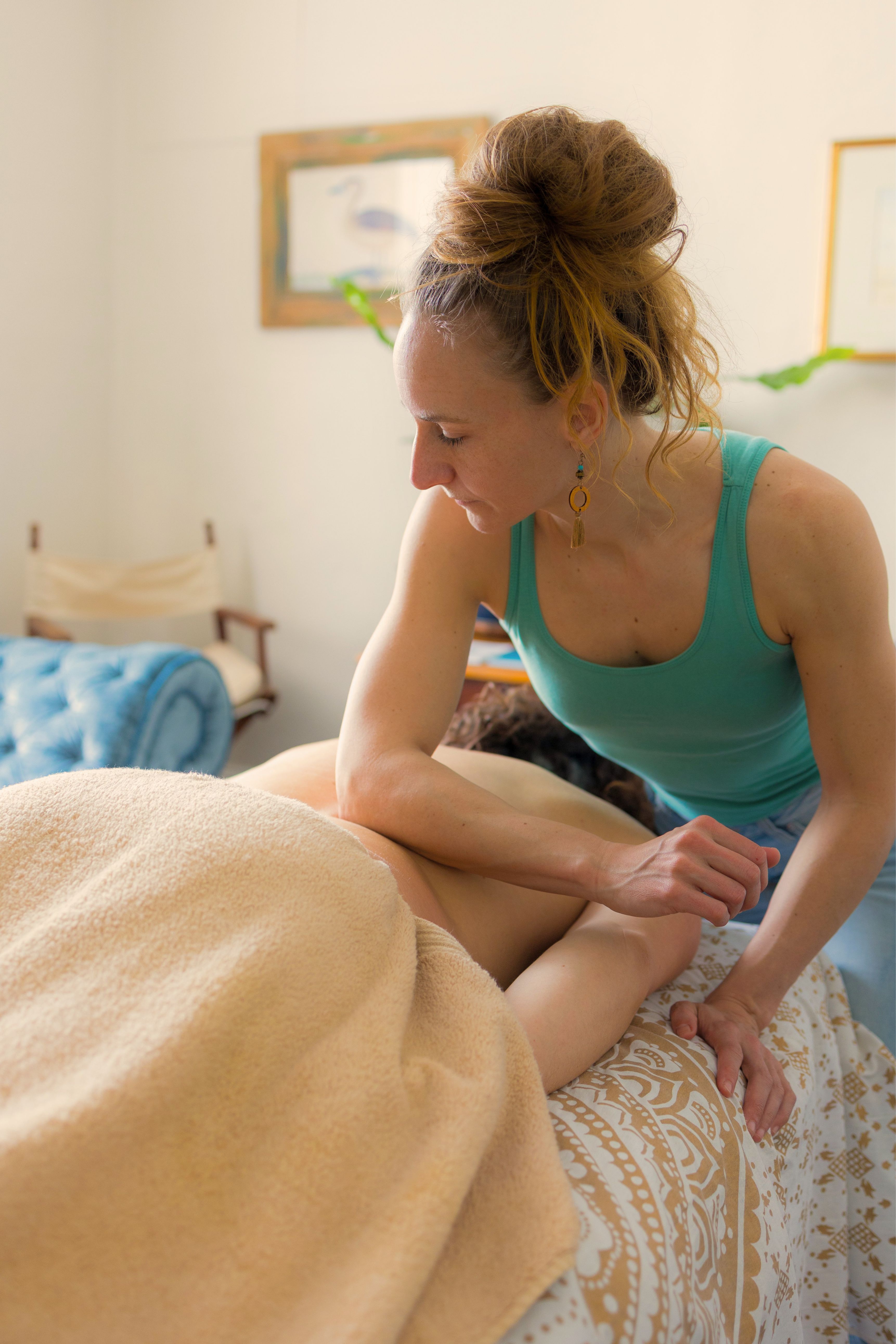
Massage therapy offers a powerful way to release muscular tension, calm the nervous system and restore ease of movement, lymphatic flow and hormonal balance in the body.
In my Brighton practice, massage sessions are tailored to your individual needs on the day. Some clients come for deep relaxation, while others are seeking targeted work for long-held tension, postural strain or chronic muscular discomfort. Many of my clients are perimenopausal and find relief for their symptoms through regular massage and bodywork. Massage can also be helpful in managing the side effects of bio identical and body identical HRT.
Rather than following a fixed routine, I adapt each session using a range of therapeutic techniques to support the body’s natural process of release and recovery.
These may include:
- Swedish massage
- Deep tissue techniques
- Trigger point therapy
- Myofascial release
- Acupressure
- Gua sha / fascia scraping
- Gentle lymphatic techniques
- Assisted stretching
The aim is not simply to 'work harder' on the muscles, but to help the body soften, restore circulation, and allow tension patterns to unwind.
Massage can be both deeply relaxing and structurally effective, supporting the body on physical, emotional and nervous system levels.
Working with tension patterns
One of the areas I specialise in is trigger point therapy, which can be particularly effective for persistent muscular tension and pain.
Trigger points are small, contracted areas within muscle fibres that can create both local pain and referred pain elsewhere in the body. Many people experience them as the familiar “knots” in the shoulders, neck or back.
I trained in Trigger Point Therapy at the Jing Advanced Massage School in Brighton, where the emphasis is on understanding how tension travels through muscular and fascial chains.
This means we rarely focus only on the area that hurts.
For example:
- neck tension may relate to patterns in the upper back
- shoulder pain may link to the rib cage or jaw
- lower back discomfort may originate in the hips or legs
By working with the body as an integrated system, massage can create deeper and longer-lasting change.
When massage might help
Massage therapy is often helpful for:
- neck and shoulder tension
- back pain and muscular tightness
- postural strain from desk work
- headaches and jaw tension
- fatigue and nervous system overload
- sports or exercise recovery
- general stress and burnout
- ...but most importantly, nervous system and hormonal balance!
Many people also choose massage simply as part of their regular self-care and wellbeing routine.
What to expect during a session?
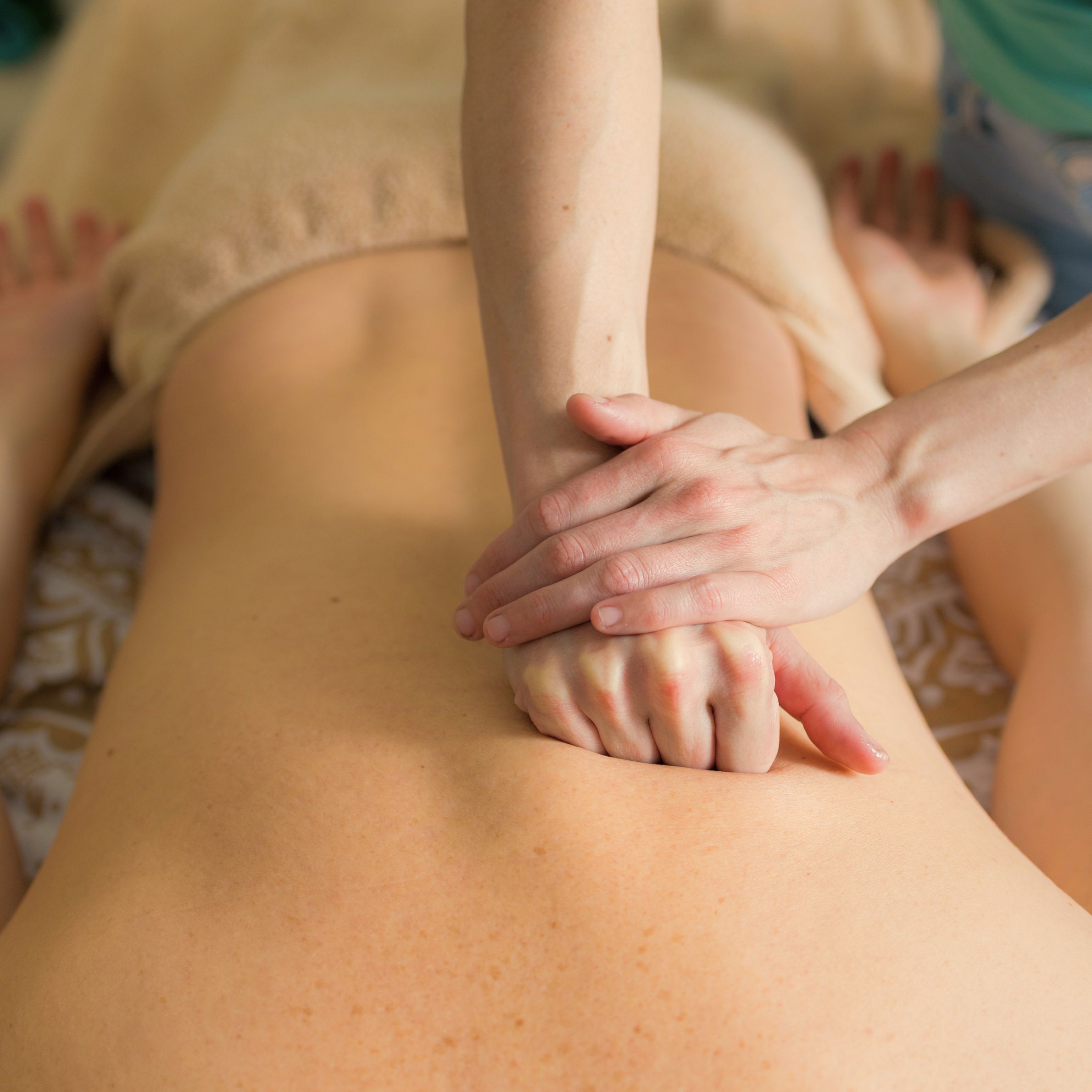
Your session begins with a brief check-in about how your body has been feeling and what you would like support with. You will then lie comfortably on a treatment table while I work with the relevant areas of tension. Pressure and techniques are always adapted to your comfort level.
Some areas may feel tender as deeper tension releases, but we always work at a pace that feels manageable for your body.
Most clients experience:
- a deep sense of relaxation
- better body temperature regulation through improved circulation
- greater freedom of movement
- reduced muscular tension
After the session, you may feel lighter, calmer and more connected with your body and mind.
Massage in Brighton with a holistic perspective
Alongside my massage practice, I am also a homeopath, and my approach to bodywork is informed by a broader understanding of how physical, emotional and nervous and endocrine system patterns interact.
For some clients, massage is simply a way to relax and care for the body. For others, it becomes part of a deeper process of reconnecting with themselves and releasing long-held tension patterns.
Both are welcome here.
I have been working as a holistic practitioner in Brighton since 2017. I find that many Brightonians are highly creative with an abundant source of ideas but most aren't pacing themselves according to their bodies deepest signals. This is understandable as many times they are juggling different jobs, personal and work identities, with little time for themselves.
Those who are successful in their work roles, can sometimes put themselves under immense pressure which can lead to extreme fatigure. Those who are changing jobs, navigating work and parenthood simultaneously, and trying to excel in everything, can also experience adrenal burnout.
Massage can help us not just to release physical tension, but also to better recognise our bodies subtle cries for more rest - so we can pace ourselves better and have a higher chance for our ideas to come into being.
2025 Soulful Wellbeing. All rights reserved.